

Understanding developmental stages & milestones
Learn how kids grow socially and emotionally at different ages, and how adults can support them along the way. This page breaks down what’s typical at each stage, why it matters, and how it shapes future learning and well-being.

Prenatal infancy: The foundation begins
Social and emotional development begins even before birth. During pregnancy, the environment helps shape a child’s future ability to regulate emotions and form bonds. A supportive, low-stress prenatal experience and positive connection between parent and baby can influence early temperament and emotional responsiveness. Dawes et al. (2015) emphasize that "Prenatal and Early Childhood development has a critical effect on long-term health in adulthood."
Social/emotional milestones:
- Responds to sounds and touch with movement
- Starts developing basic body rhythms like sleep and heart rate, which can be influenced by the mother’s well-being
- Begins forming early patterns for how stress is handled, shaped in part by the mother’s emotional state
Strategies for teachers:
- Start a “Welcome Baby” circle to share resources with expectant parents about fetal development and how maternal well-being can shape a baby’s future emotional health.
- Offer simple mindfulness activities, like breathing exercises or guided meditations, to help expectant parents stay calm and support the developing baby.
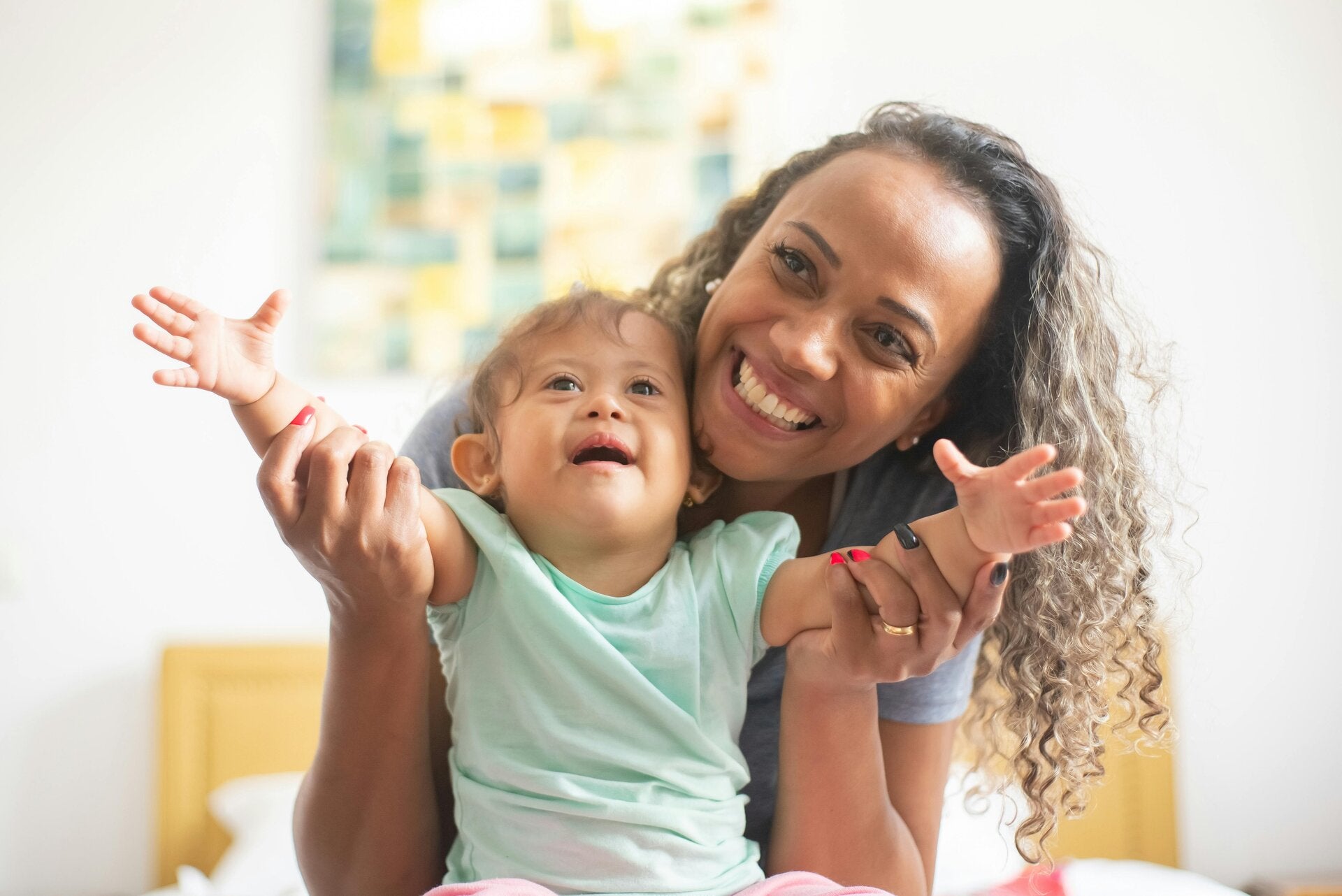
Infancy: Building connections & trust
From birth to about 12 months, babies learn about the world mainly through their caregivers. Strong, secure attachments during this time are key to building trust, empathy, and emotional regulation. When caregivers respond consistently, infants learn that their needs will be met, helping them feel safe and secure.
Social/emotional milestones:
- Forms a secure attachment to primary caregivers, showing distress when separated and happiness when reunited
- Starts smiling socially, making eye contact, and engaging in simple back-and-forth games like peek-a-boo
- Shows basic emotions such as joy, sadness, anger, and surprise
- Begins early self-soothing behaviors like thumb-sucking or seeking comfort
Strategies for teachers:
- "Caregivers are on the front line to model gentleness, cherishing, and soothing so infants and toddlers learn that their feelings -- even angry feelings -- are truly understood." Honig et al. (2017)
- “Emotion mirroring” activities: Encourage teachers to mirror infants’ facial expressions and sounds to help babies begin to recognize their own emotions and those of others.

Toddlerhood: Exploring independence & emotions
Toddlerhood (ages 1–3) is a time of fast growth in independence, language, and emotional expression. Children start exploring their surroundings, testing boundaries, and asserting themselves. This stage also brings growing self-awareness, early peer interactions, and the beginnings of more advanced emotional regulation.
Social/emotional milestones:
- Starts to understand “mine” and “yours,” and may become possessive at times
- Engages in parallel play, slowly beginning to move toward cooperative play with other children
- Expresses a wider range of emotions, including frustration, defiance, and pride
- Begins developing self-control, sometimes using words or gestures to manage big feelings
- Shows early empathy by noticing others’ distress and trying to comfort them
Strategies for teachers:
- Emotion identification through story time: Use picture books that show different emotions to help toddlers recognize and name feelings in themselves and others. Talk together about why characters might feel that way.
- “Feeling corners” or “calm down spots”: Set up a safe, cozy area in the classroom with comforting items like pillows and stuffed animals where toddlers can go to help calm themselves when overwhelmed.
Empowering children through early SEL support
Social and emotional development starts early and is shaped by caring relationships and supportive environments. Every interaction helps children learn how to understand emotions, handle challenges, and connect with others. Understanding these stages helps teachers and families support strong social-emotional skills
Create Your Own Website With Webador